




The Ultimate Guide to Home Staging: How to Accelerate Sales and Maximize Value
Are you struggling to sell your property quickly or at the right price?
Many homeowners spend thousands on upgrades, but often overlook the power of staging, a tactic proven to make a significant difference. In this post, you’ll learn why staging matters, how it influences buyer perception, and practical tips to transform your home into an irresistible listing.
Are you struggling to sell your property quickly or at the right price?
Many homeowners spend thousands on upgrades, but often overlook the power of staging, a tactic proven to make a significant difference. In this post, you’ll learn why staging matters, how it influences buyer perception, and practical tips to transform your home into an irresistible listing.
Whether you’re a realtor, investor, or owner-seller, understanding the psychology behind staging can help you close deals faster and for more money. With insights anchored in real-world examples, we’ll explore how to leverage space, sound, smell, and visuals, all critical elements that shape a buyer’s experience. Ready to attract more buyers and boost your sale? Let’s get started.
But before we do- download our Home Staging Guide below.
Why Home Staging is a Must-Have Strategy for Sellers
Many homeowners believe that simply cleaning and painting their property is enough. While those are essential, staging elevates the presentation to a new level by creating an emotional connection between buyers and the space.
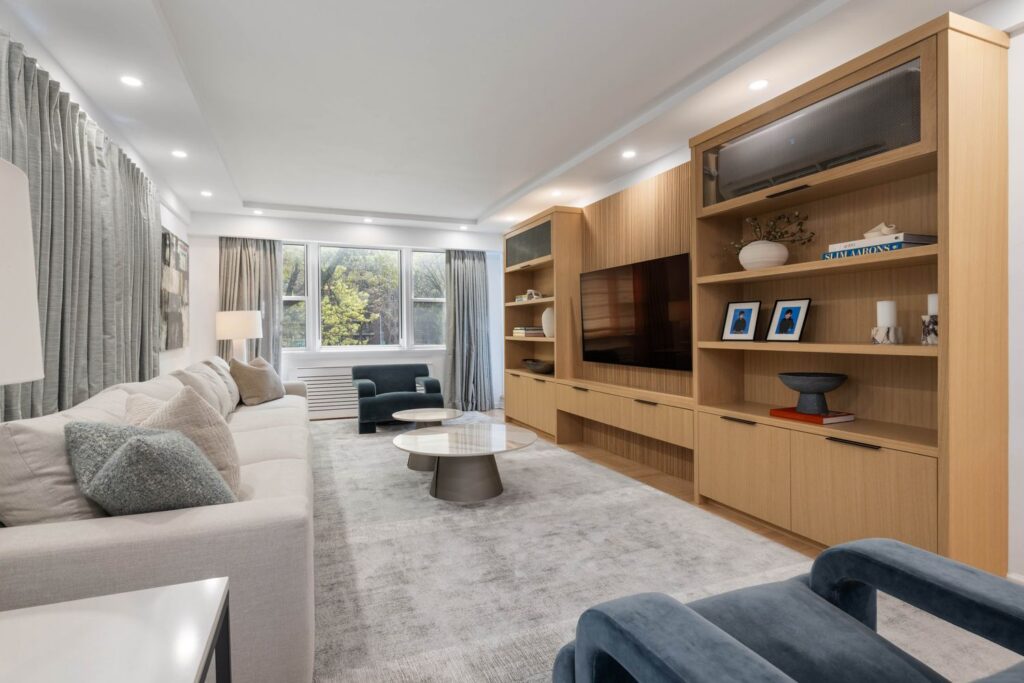
Buyers don’t just buy a home, they buy a lifestyle and an experience. Proper staging helps them visualize themselves living there, which often translates into a quicker sale and higher offer.The Psychology of Showing: How Perception Shapes ValueImagine walking into an empty apartment. The space looks smaller and, more importantly, unfriendly. The human brain struggles to gauge scale in an empty room, often imagining that furniture won’t fit or the space isn’t comfortable. That’s where staging plays a role, it defines the space visually.
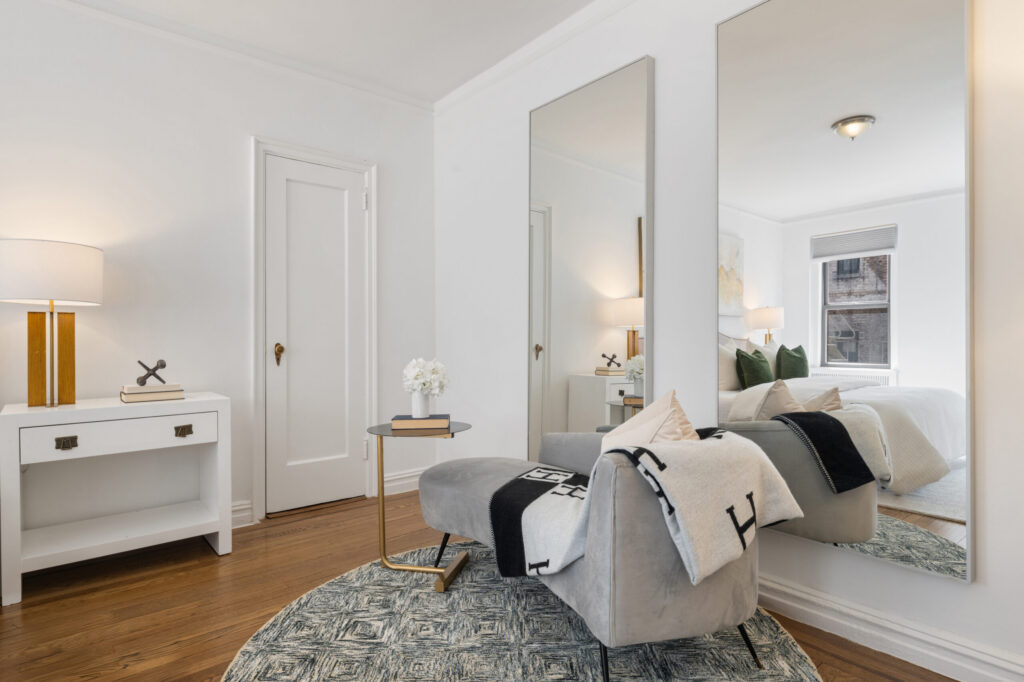
Example:
As seen in a Manhattan Art Deco apartment, just adding a rug and some furniture transformed the perception of square footage, making the space feel larger and more inviting.
Pro Tip:
Strategic furniture placement creates perceived square footage, making rooms feel more generous.The Impact of Acoustics and Sight Unfurnished rooms echo with every footstep and creak, which can subconsciously make spaces feel cold or unwelcoming. Sound absorption becomes essential. Soft textiles like rugs, curtains, and plush furniture soundproof the room, creating a calm, cozy atmosphere.
Why it matters:
A quiet, soothing environment conveys comfort and security to potential buyers, making the home more appealing. When furniture and textiles are used to absorb echo, the apartment feels like a peaceful sanctuary, not a hollow shell.
Enhancing Buyer Experience: Sight, Smell, and Sensory Stimulation
Beyond space, multiple senses influence how buyers perceive a home. Successfully engaging these senses can significantly impact their decision.Smell: The Unsung Hero of Home SellingIt’s easy to overlook, but the scent of a home can make or break a sale. Pre-war buildings, for instance, often have distinctive aromas, sometimes charming, sometimes not.
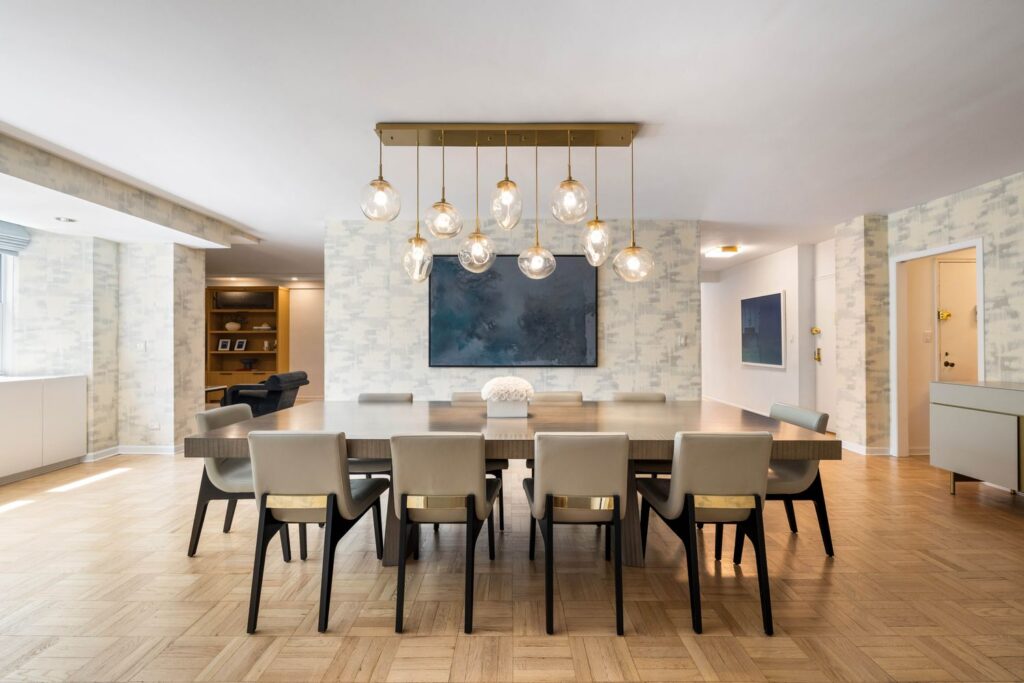
Best practices:
- Keep the home smelling fresh and clean, avoiding musty odors.
- Use textiles that can be lightly sprayed with odor-neutralizing or scent-enhancing sprays.
- Light a subtle lavender candle for a calming effect.
Example:
Replacing the smell of stale air or cooking odors with fresher scents can turn a potential turn-off into a welcoming atmosphere.
Visual Appeal: Declutter, Depersonalize, and Accentuate
Personal photos and clutter divert attention away from the space and make it hard for buyers to picture themselves there. Aim for an environment that feels both beautiful and neutral.
Tips:
- Replace family photos with artistic books or decorative objects.
- Use matching, plush towels and bedding to evoke a sense of cleanliness and luxury.
- Aim for a boutique hotel vibe, stylish yet unobtrusive.
The Technical Aspects: Photos, Furniture, and layout optimization
Most buyers will see your home online first, often on mobile devices, long before they step inside.
Staging for Photos: Creating Depth and Impact
Without proper staging, property photos can look flat and uninviting. Move furniture away from walls to add depth and dimension. Use neutrals with striking decor to make your listing stand out visually.
Example:
Instead of a beige blur in search thumbnails, well-staged photos catch the eye and encourage clicks.
Here are the Don’ts of Staging
- Overcrowd spaces with furniture.
- Use overly personal decor that distracts.
- Ignore sound or scent considerations.
Why Invest in Staging: The ROI for Sellers
Staging isn’t an expense, it’s an investment. Properly staged homes tend to spend less time on the market and fetch higher prices.
Here’s What the Data Shows:
Properties with professional staging often sell faster and for more than unstaged homes.If you’re serious about selling in New York or elsewhere, don’t leave your biggest asset to chance. Use staging as a strategic tool to create demand and maximize profit.
Make Your Home Irresistible
By understanding the multifaceted nature of home presentation, visuals, scent, sound, and space, you can significantly influence buyer perception. From creating artificial perceived square footage to setting a welcoming ambiance, every detail counts.
Your next step:
Download our comprehensive staging checklist below, designed specifically for New York homeowners, or contact us for a walkthrough to see how staging can boost your sale. Remember: staging isn’t just decoration. It’s a strategic investment in your property’s future.
FAQ: Home Staging Insights
How much does staging typically cost?
The cost varies depending on the size of the space and scope of work, but many homeowners find that staging yields a return of thousands more in sale price.
Can I stage my home myself?
Yes, with careful planning and attention to detail, DIY staging can be effective. However, professional stagers bring expertise in creating emotional appeal and optimizing space. They also have a huge reserve of furniture, decor, and artwork to design the space like a magazine.
How long does home staging last?
Staged homes are usually maintained until close of sale, but removal or change of decor may be needed if the sale takes longer than expected.
Is staging worth it for small apartments?
Absolutely. Strategic staging can make compact spaces feel larger, brighter, and more welcoming.



